Budgeting Strategies: How to Manage Finances and Save Money
Managing your finances can be challenging, especially if you're a college student with limited income and a list of expenses. But developing good money habits can set you up for long-term financial success. We'll explore different budgeting strategies to help manage finances and save money.
Create a Budget
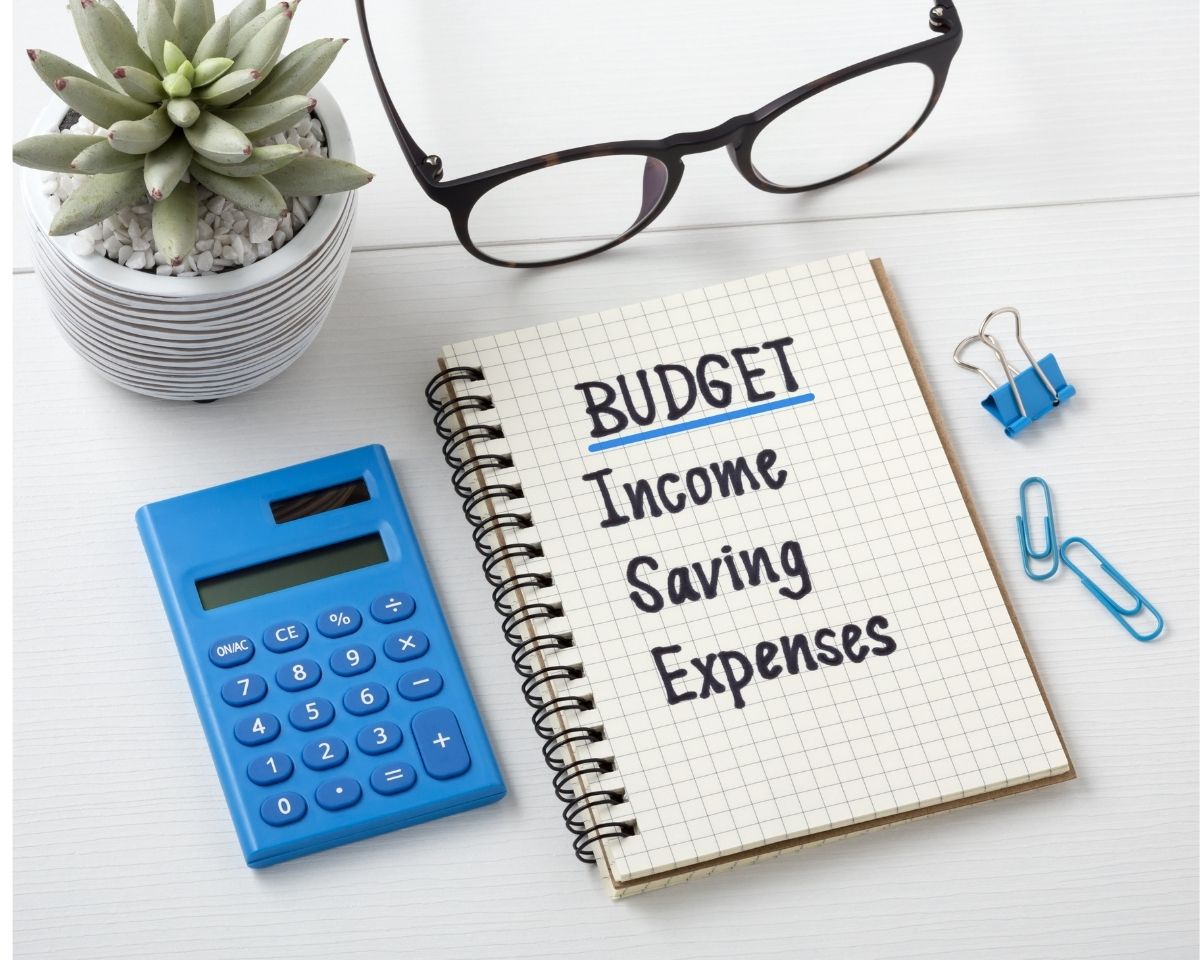
Creating a budget is the first step to successful budgeting. It helps you track your income and expenses, identify areas where you overspend, and prioritize your spending. To create a budget, list your monthly income and expenses, including fixed costs like rent, utilities, student loans, and variable expenses like food, transportation, and entertainment. Once you've listed your expenses, subtract them from your income to see how much money you have left over. This will help you identify areas where you may need to cut back.
Cut Back on Expenses
Once you've created a budget, it's time to cut back on expenses. This can be challenging, but there are plenty of ways to save money without sacrificing too much. For example, you can save money on food by cooking at home, meal prepping, and taking advantage of student discounts. You can save money on public transportation, carpooling, or biking. And you can save money on entertainment by finding free or low-cost activities on campus or in your community.
Track Your Spendings
Tracking your spending is essential to ensure you're sticking to your budget. Keep track of all your expenses, including small purchases like coffee or snacks. You can use a budgeting app or a spreadsheet or write down your expenses in a notebook. By tracking your spending, you can identify areas where you may be overspending and adjust your budget accordingly.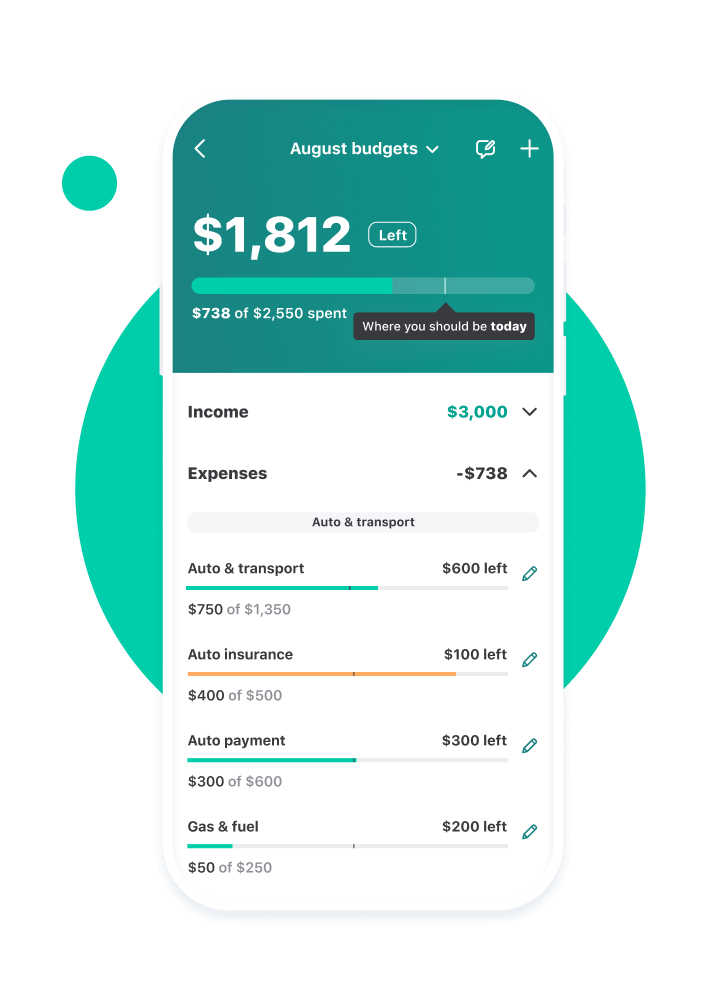
Budgeting App: "Mint: Budget & Expense Manager"
Financial Goals
Setting financial goals can help you stay motivated and focused on long-term financial success. Consider developing short-term goals, like saving money for a spring break trip, and long-term goals, like paying off student loans. It's essential to make your goals specific, measurable, and realistic. Once you've set your goals, plan to achieve them and track your progress.
Emergency Funds
An emergency fund is essential for unexpected expenses like car repairs, medical bills, or job loss. Aim to save at least three to six months' living expenses in your emergency fund. Start by setting aside a small amount each month, even if it's just $10 or $20. Over time, your emergency fund will grow, giving you peace of mind and financial security.
What Do You Think?
Have you created a budget for yourself yet? If not, what's holding you back from doing so?
Hi Joseph! This post is very useful for me because when I have a job in the summer, I will make a budget. Currently, I don't work so I don't spend my money very often. It is helpful that you added a link to a list of budgeting apps. I think a budgeting app makes it easier to see what your money goes towards all in one location. In the past, I have had financial goals to save up for a trip with my friends or for concerts. Setting money aside each month makes spending that money expected and it isn't as shocking to see money missing from the bank account. I really enjoyed this post, great job!
ReplyDeleteHi Ava! I'm glad you found the post helpful and informative. It's great to hear that you have financial goals and are already considering setting money aside to achieve them. Budgeting apps are a useful tool to help you track your spending and ensure you're staying on track with your goals.
DeleteHi Joseph! College students will find the blog useful since many need to know how to budget. I really liked how you linked the website about the best budgeting apps in the blog. I have not created a definite budget but will always keep track of how I spend my money. I also will keep track on if I am spending too much. What is holding me back is in present day there is nothing that I would be budgeting for.
ReplyDeleteHello Justin! Thank you for your feedback. I'm glad you found the blog post helpful. It's great that you're keeping track of your spending even if you don't have any specific financial goals. It's always a good practice to be aware of your spending habits and to make adjustments if you notice that you're spending too much in one area. Also, while you may have yet to set any immediate financial goals, it's always a good idea to start thinking about your long-term financial future. Even small amounts of money saved now can add up over time.
DeleteHi Joseph! This post was very informative, especially as a college student who is trying to be money conscience. I began creating a budget at the beginning of the semester. I noticed I was spending too much money on food when there were cheaper, healthier options. In addition, I began taking public transportation instead of Ubering. This saved a significant amount of money since public transportation is free with a Pitt ID. Because of this blog, I am motivated to download an app to make tracking money easier. Are there any budgeting apps you recommend?
ReplyDeleteHi Joseph! Your blog post was very helpful to me because I've always found the concept of budgeting overwhelming. There are many "moving parts" when it comes to tracking expenses, and it's easy to get lost. Fortunately, I have not had to worry too much about this since I still live with my parents and am not spending much money. Your post provided me with valuable tips for the future when I have to implement a budget. I hope to use your suggestions, such as setting financial goals and tracking my expenses, to my advantage. Thanks for sharing your ideas!
ReplyDelete